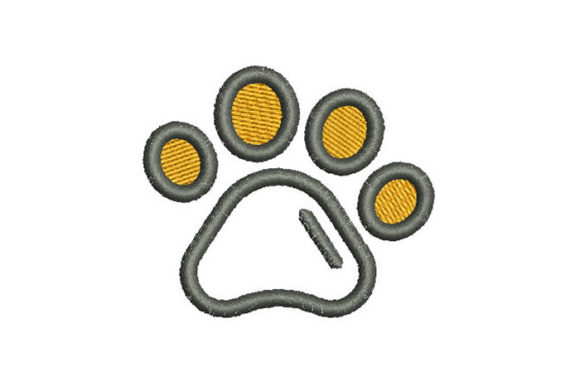
Dog Footprint
A Simple Design with Big Potential
When I first saw the Dog Footprint embroidery design, I was struck by its simplicity and charm. It’s a design that feels like it was made for someone who loves dogs but doesn’t want to overcomplicate things. The footprint is clean, with just enough detail to make it recognizable as a dog’s print without being overwhelming. This makes it a great choice for those looking to add a subtle yet meaningful touch to their projects.
The Mood and Visual Personality
The Dog Footprint carries a friendly and approachable vibe. It’s not flashy or overly detailed, which makes it versatile for a variety of applications. The design has a soft, almost hand-drawn feel, which works well with both modern and rustic aesthetics. It’s the kind of design that feels like it could fit on a baby onesie, a tote bag, or even a patch for a pet lover’s gear.
Real-World Use Cases
As an experienced designer, I often think about how a design will look after it’s stitched. The Dog Footprint is particularly well-suited for custom apparel like sweatshirts, tote bags, and caps. It can also work beautifully on pillow covers, kitchen towels, and even blankets. One project I’m currently considering is adding the Dog Footprint to a line of personalized holiday gifts—it would be perfect for a pet-themed ornament or a custom embroidered pillow.
I’ve also thought about using it in a small shop setting. A local craft business might use the design on aprons or handmade products for pet lovers. The design’s versatility means it can be scaled down for patches or upscaled for larger items like bedding or tablecloths.
Stitching Clarity and Performance
One of the key considerations when working with any embroidery design is how it performs in real stitching. The Dog Footprint seems to have a good balance of stitch density and clarity. The satin stitch used for the footprint itself is smooth and even, while the surrounding areas use a combination of fill stitch and running stitch to create depth without overcrowding the design.
However, there are some potential challenges. The design includes a few small details that may require careful attention during the stitching process. For example, the toes and the overall shape are defined by fine lines, which could be tricky on textured or stretchy fabrics. I’d recommend testing the design on a scrap piece of fabric before committing to a final product.
Where to Use with Caution
While the Dog Footprint is generally well-suited for most applications, there are a few scenarios where it might need extra care. For instance, using it on dark fabric could reduce the visibility of the design, especially if the thread color isn’t chosen carefully. Similarly, on thin or stretchy fabrics, the design might distort slightly, so using the right stabilizer is essential.
Another consideration is the hoop size. The design appears to be relatively small, which means it should work well in standard hoop sizes. However, if you're planning to use it on a large item like a blanket, you’ll need to ensure the design is properly scaled and that your machine can handle the file format.
Design Impact and Practical Value
The Dog Footprint adds visual appeal without being too bold. It’s the kind of design that customers will notice but won’t be overwhelmed by. This makes it ideal for personalized gifts and custom apparel, where subtlety is often more appreciated than extravagance.
From a practical standpoint, the design supports brand consistency and professionalism. Whether you’re selling on Etsy, creating small shop products, or making digital embroidery files, the Dog Footprint offers a reliable option that can be easily integrated into a broader product line.
Practical Designer Notes
Before using the Dog Footprint in any project, I recommend a few steps to ensure the best results:
- Test on Scrap Fabric: Always test the design on a scrap piece of fabric to check for stitch clarity and appearance.
- Check Thread Color Contrast: Ensure the thread colors provide enough contrast against the fabric background.
- Review Stitch Density: Make sure the stitch density is appropriate for the fabric type and design complexity.
- Confirm Hoop Size: Verify that the design fits within your machine’s hoop size to avoid distortion.
- Inspect Small Details: Pay close attention to tiny elements like the toes and outlines to ensure they stitch cleanly.
- Test in Black and White Mockups: This helps identify any issues with contrast or composition.
- Use Proper Stabilizer: Especially on delicate or stretchy fabrics, a quality stabilizer can make a big difference.
- Consider Licensing: If you plan to sell finished products or digital files, confirm the licensing terms before proceeding.
These steps will help you maximize the visual appeal and product value of the Dog Footprint, ensuring that your final project looks professional and meets customer expectations.